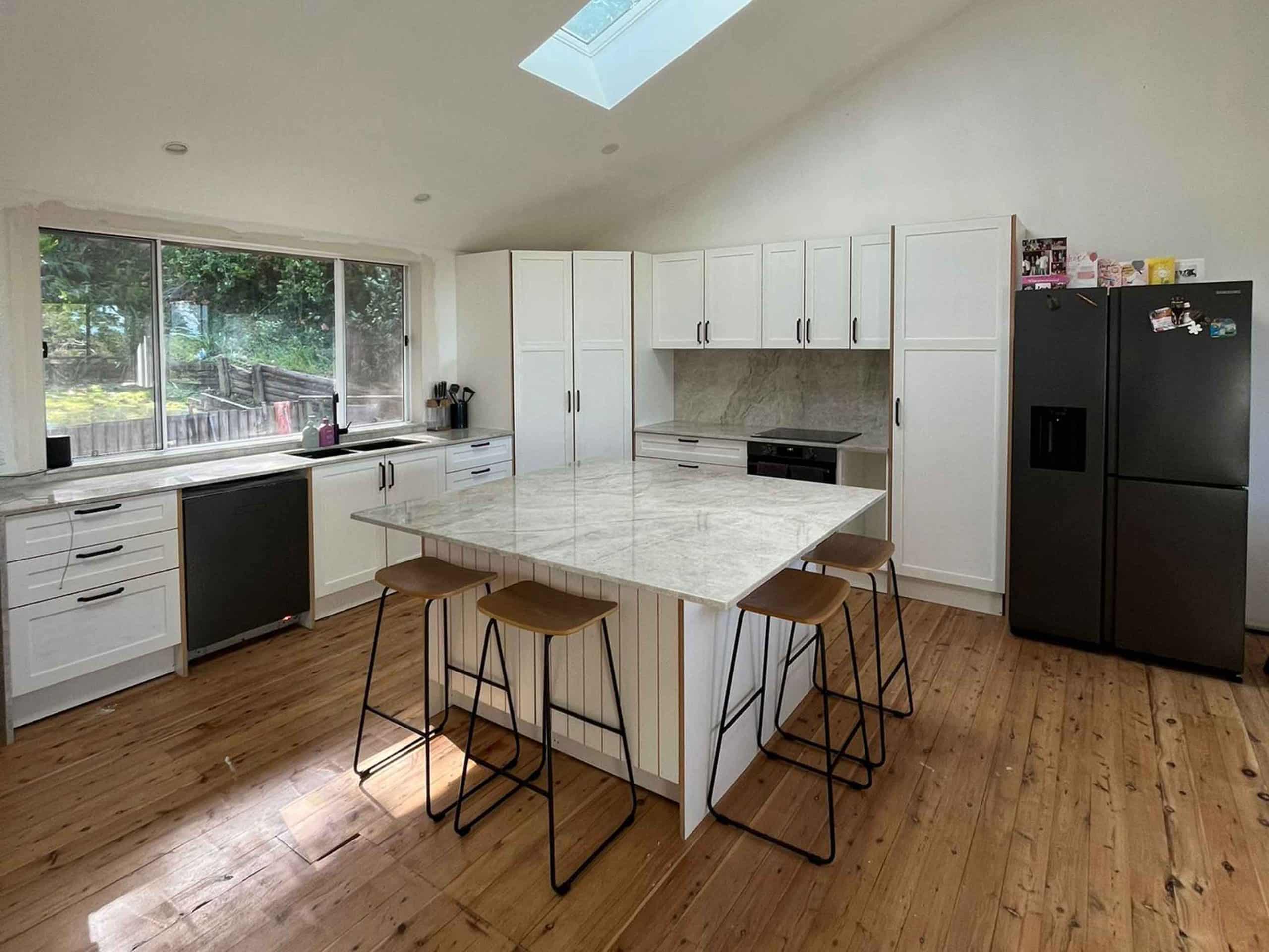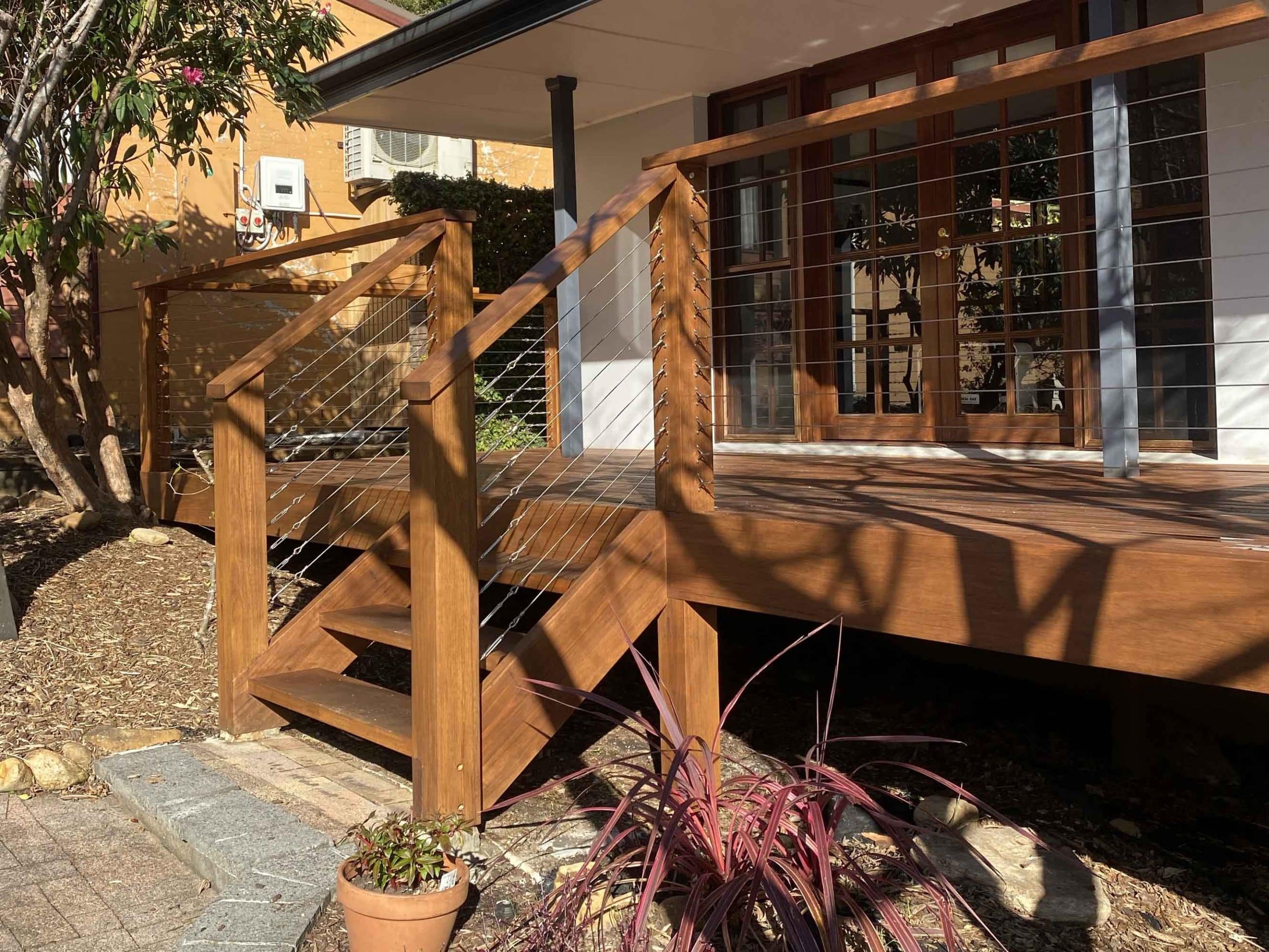
In recent years, granny flats have gained popularity across Australia as a practical and flexible housing solution. Furthermore, they are increasingly seen as an effective way to mitigate the housing crisis. In Sydney alone, it is estimated that some 100 granny flats are built every week (that’s up 300% in 5 years). These compact, self-contained dwellings, also known as accessory dwelling units (ADUs), are not just for grannies anymore. They serve a variety of purposes, from providing affordable housing options to accommodating multi-generational living arrangements. This article explores the concept of granny flats in Australia, delving into their benefits, regulations, and the evolving trends in their design and usage.
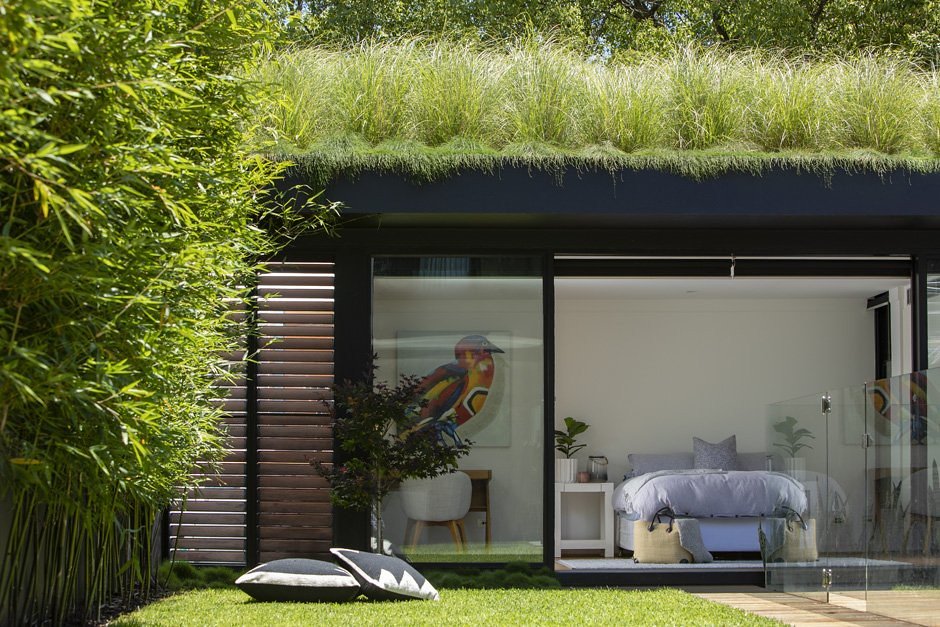
The Rise of Granny Flats in Australia:
In a time where housing pressures are mounting in and around Australia’s biggest cities, the demand for alternative housing options is seeing an impressive growth. According to Statista’s 2023 report, Sydney’s housing market is the second least affordable in the world. Why? Housing prices are 13x greater than the typical income. The average price of a home in Sydney (although prices vary greatly) is around $834,906. The average wage in Sydney is around $60,000 per annum. Chuck all that in with the fact that rental yields are relatively poor in Sydney and we can easily see why property owners are iffy about the idea of undertaking expensive renovations.
Rather, investors understand that the development of granny flats is a great way to respond to these housing pressures. Essentially, it’s an untapped resource as 17.6% of all Sydney metro properties have the potential to accommodate a granny flat. In this uncertain real estate climate, granny flats provide a win-win in terms of offering both affordable housing and a low-investment alternative for those looking to undergo renovations within their property.
What Exactly Is a Granny Flat?
Also referred to as secondary suites, or accessory dwelling units (ADUs). Granny flats are small but efficient living spaces developed within the vicinity of an existing family home. The reason they are called granny flats is because they were initially intended for elder family members, such as aging parents or grandparents. This solution was not only a way of keeping loved ones within the family domain, but it usually worked out to be more economical than using traditional care home facilities.
Over the course of recent years however, the purpose of a granny flat has broadened. Homeowners now utilise them for diverse reasons, like providing separate accommodation for daughters and sons as they either look for or save towards their own housing. What we are seeing increasingly nowadays are homeowners actually renting out these spaces to generate an additional income.
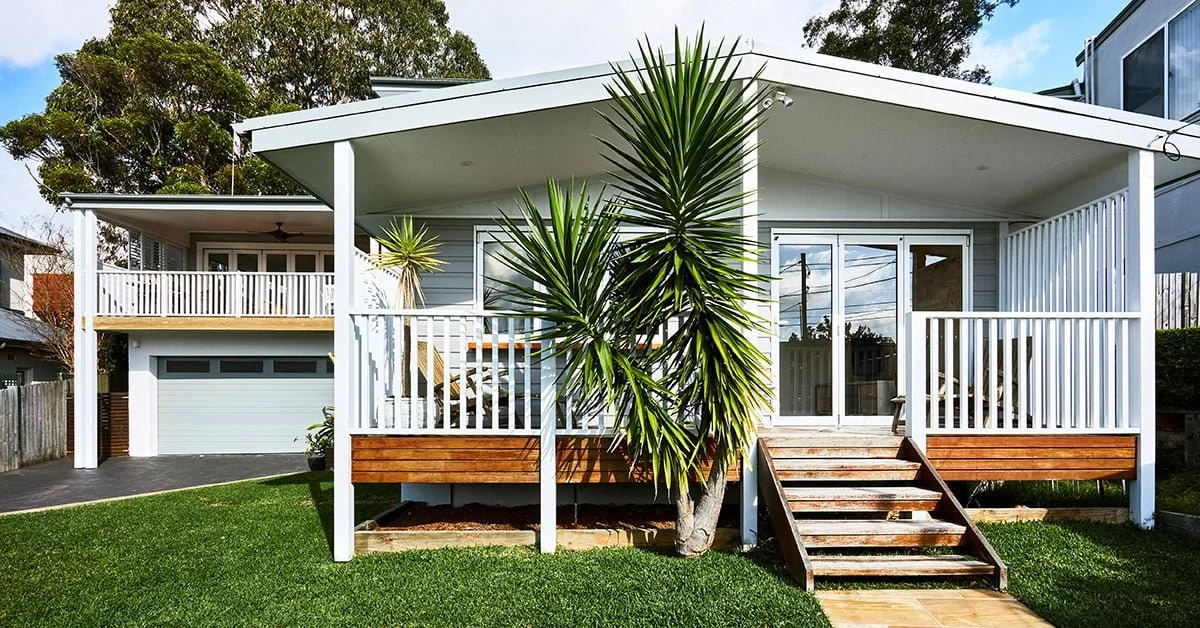
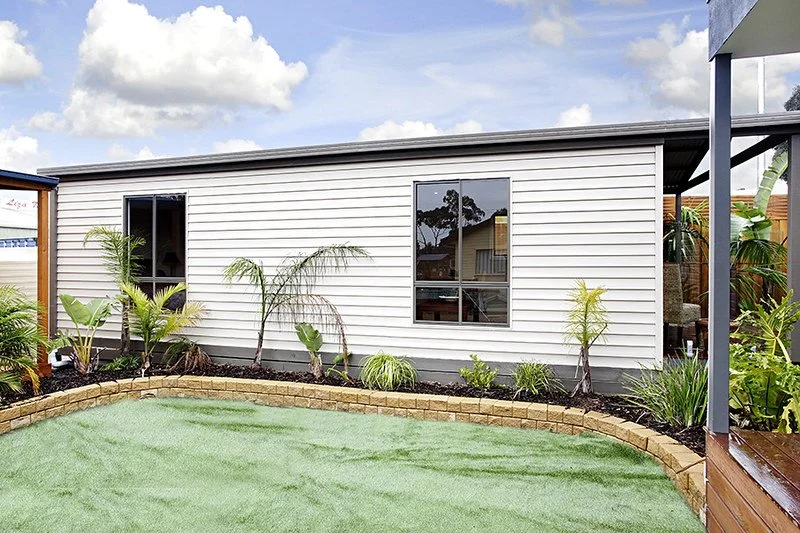
In adherence to current regulations, granny flats are constrained to a size not surpassing 60m2, therefore fitting into the category of tiny houses (40m2 or less). Granny flats can either be standalone structures or attached to the primary residence on the property.
The amenities provided by granny flats exhibit wide-ranging diversity. Some resemble scaled-down replicas of full-sized houses, while others offer more basic features. This variability is influenced by factors such as the units size and specific needs of its occupants, emphasizing the adaptability of granny flats to a variety of living requirements.
Why Are Granny Flats on The Rise?
Firstly, they are a viable option for most homeowners, as it’s not necessary to buy a new property in order to construct a granny flat. If there is sufficient available space on your current property, then you too have the option to build a granny flat and initiate rental arrangements.
The growing popularity of granny flats in recent times can also be attributed to the following factors:
-
Additional Income:
Many opt to lease their granny flat to supplement their income, facilitating accelerated mortgage payments or contributing to their savings. Typically, granny flats yield an average income of around $300 per week. Sydney boasts the highest average rental rate for granny flats at $420 per week. Overall, homeowners can potentially generate an annual income ranging between $14,000 and $18,000 through this avenue. Just look on short-term accommodation platforms such as Airbnb to see how popular these compact housing options are!
-
Increased Property Value:
Unsurprisingly, by creating an additional living unit, granny flats can bolster the overall value of your property (especially when built on an area of unused land). Not only will this be useful when looking to sell your property, but it will make your home more attractive for any prospective buyer as they know the granny flat can be used to mitigate the cost of the purchase.
-
The Investment is Less Costly:
Constructing a granny flat is much more economical than building an entire house from the ground up. A new house may incur a cost upwards of $550,000. By contrast, a granny flat will cost you, on average, around $130,000. This implies that for the price of a single house, you could potentially build up to four granny flats, thereby creating multiple new sources of rental income. It’s important to note, however, that this is feasible only if you own multiple properties, as regulations typically permit the construction of only one granny flat per block.
-
Affordable Housing:
As mentioned earlier, there is an unabated housing crisis in Australia, specifically in and around major cities such as Sydney and Melbourne. Granny flats contribute to alleviating Australia’s housing crisis by increasing housing stock affordably and efficiently. These self-contained units offer flexible living arrangements, supporting multi-generational living and providing rental income for homeowners. With a lower construction cost compared to full-size houses, granny flats optimise land use and urban density, addressing housing needs in densely populated areas. Additionally, they cater to the aging population by offering proximity to families and support. While not a sole solution, granny flats serve as a practical component in a comprehensive strategy to tackle the complex challenges of the housing crisis.

Regulations and Guidelines of Granny Flats in Australia:
Before carrying out any work, it’s important to operate within the parameters of local law, which by the way, vary state-to-state. In Sydney or NSW, to save yourself a headache and receive a speedy approval, you’ll need to adhere to the following minimum requirements:
-
A maximum of 1 granny flat per property/lot.
-
The granny flat cannot exceed a height of 8.5m
-
Keeping a distance of 3m or more from any trees that have a height exceeding 6m.
-
Not exceeding the maximum internal space of 60m2.
-
A minimum of 24m2 courtyard space available for the granny flat.
-
A minimum width of 12 meters at the building line of the existing dwelling is necessary. If your property falls short of this criterion, you might consider applying for an attached granny flat.
This is not an exhaustive list and remember that regulations and guidelines will vary in each state. For more information, feel free to get in contact.
Budget, budget, budget!
Recognizing the importance of detailed financial analysis, it’s essential that you diligently evaluate the economic aspects from the get-go. Before advancing, carefully weigh all the financial implications. As well as accounting for the size and complexity of your granny flat, your budget should consider potential site preparation such as excavation, tree/shrub removal and so on. As a general benchmark, the recommended total cost for constructing a custom granny flat ranges between $80,000-$110,000. We’d say $100,000 is the absolute maximum to spend however. Surpassing this amount significantly could present difficulties in recovering your investment within a reasonable timeframe.
Conversely, if that’s too much, basic pre-designed granny flat units fetch a far lower price, even as low as $10,000 (excluding labour).
Conclusive Thoughts on Granny Flats
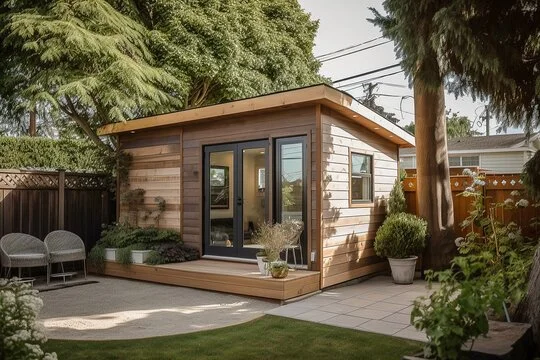
Granny flats are more than just additional living spaces; they represent a shift in how Australians approach housing. Whether it’s for accommodating family members, generating rental income, or creating a flexible living space, granny flats have become a key player in the country’s housing landscape. As regulations evolve and design trends continue to adapt, the future of granny flats in Australia looks promising, offering innovative solutions to diverse housing needs.
Whether you’re in Wollongong or elsewhere in NSW, feel free to reach out at Prospect Built and share with us any vision you may have involving a granny flat (accessory dwelling unit).