You’re constructing your dream home, complete with two levels of expansive interiors and a magnificent staircase connecting them. At Prospect Built, a common inquiry we receive is, “What is the optimal timber species for my staircase?” Should you opt for a hardwood or a softwood? Several factors influence our recommendation for the type of wood best suited for your stairs. Let’s see.
Different Types of Wood:
Down under, these are the most common wood species you’ll find used for timber: Blackbutt, Spotted Gum, Plywood, Victorian Ash, Maple, Jarrah, Merbau, MDF, Tasmanian Oak, Pine.
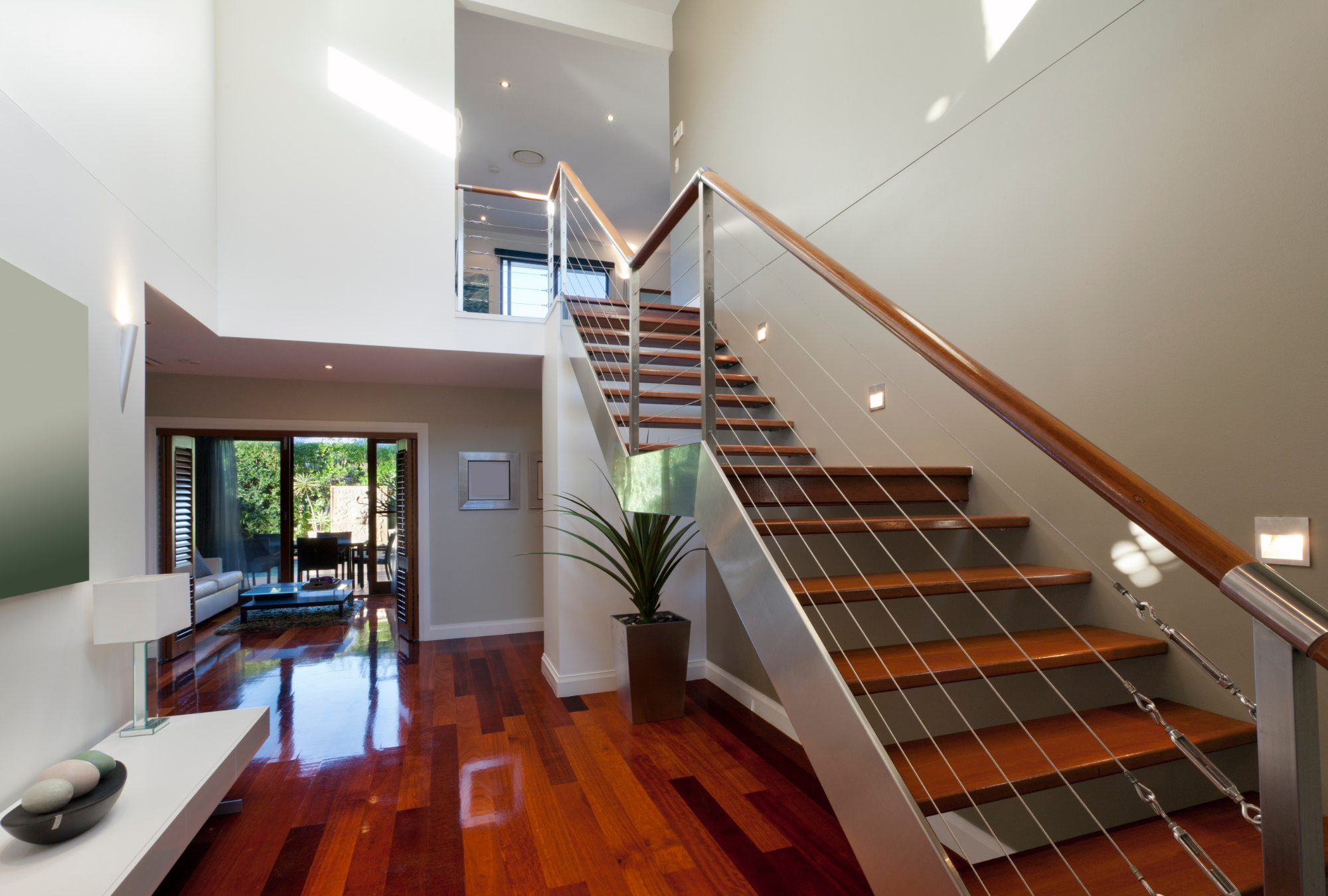
Ask Yourself These Questions About Your New Stairs:
1.) What is your budget? Timber ranges fairly significantly in price with the most budget-friendly option being pine (a softwood). Stronger woods such as Victorian Ash or Blackbutt will fetch a higher price. The average cost of a timber staircase in Wollongong is around $10,000.
2.) Are your stairs going to need to withstand high traffic?
3.) Will the choice of wood match other existing features?
4.) How would you like to utilise the space under the stairs?
The Hardwood Options:
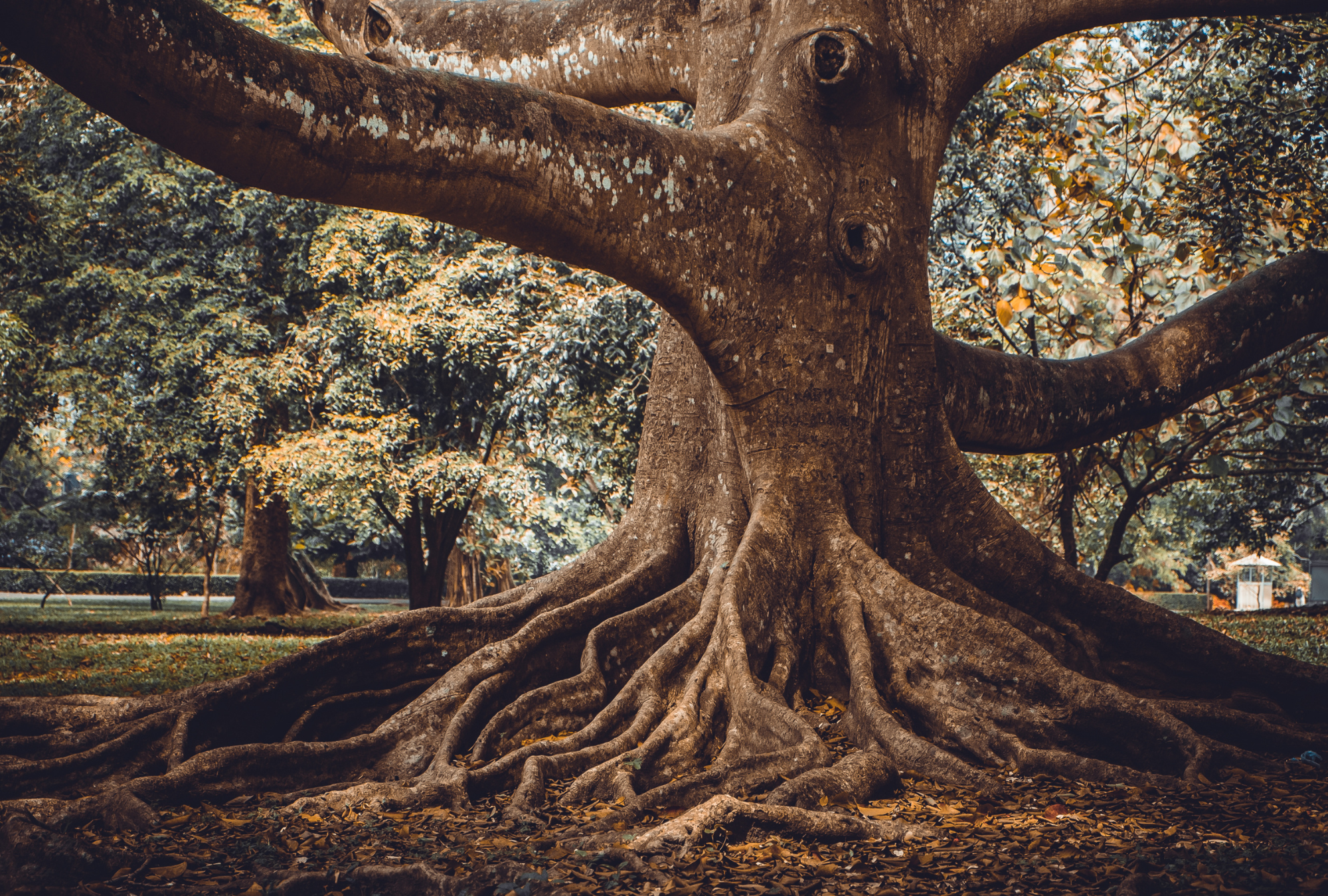
Hardwoods refer to a category of wood derived from deciduous trees, which are trees that shed their leaves annually. These trees typically have broad leaves and are known for their dense, durable wood. Not all hardwoods do come from deciduous trees as is the case of Australian Blackbutt which comes from the Eucalyptus pilularis tree.
Hardwood trees take their time to grow into the grand trees that provide us our timber. Unlike coniferous trees which are typically harvested in monocultures, hardwood trees typically grow within diverse ecosystems. Meeting the high demand of these slow-growing resources therefore poses its challenges. Sustainable forestry is a good thing; it does however raise the cost of our beautiful wood.
Hardwood species boast greater strength and sophistication over softwood species. This makes them the ‘go to’ choice for homeowners seeking an elevated finish. Hardwood species are richly diverse and so too is the wood they provide.
Blackbutt
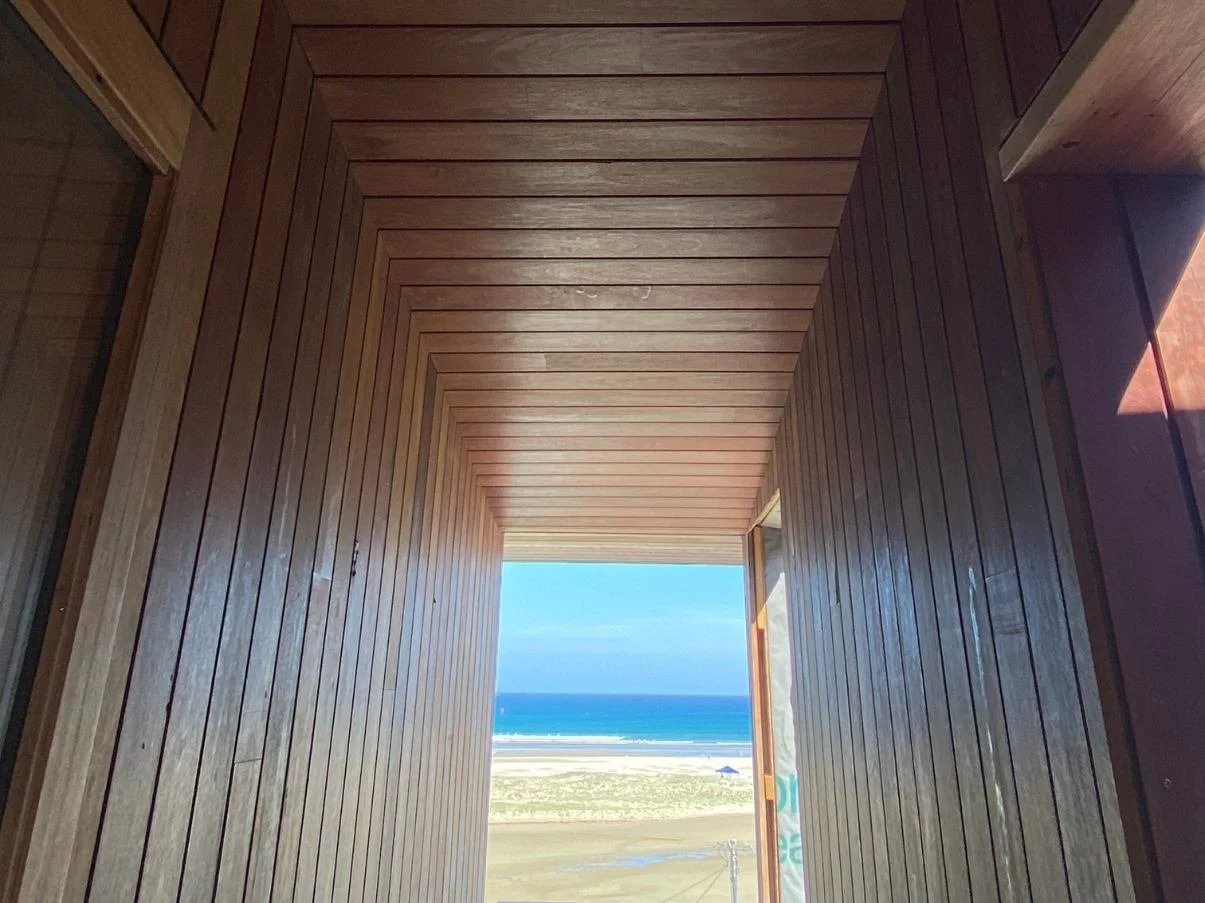
Blackbutt hardwood (also known as Coastal Blackbutt) is a national favourite, growing from the endemic Eucalpytus pilularis species. Blackbutt wood features a coarse texture and a distinctive straight grain, characteristic of its natural habitat in the rugged Australian coastal regions. Resilient and sturdy, yet manageable to work with, it has become a preferred option within all parts of the staircase, including its rails. With its honey blonde hue, Blackbutt showcases resilience against borers in its sapwood.
It is among the seven timber varieties endorsed as suitable for bushfire zones by the Victorian Building Authority. It’s definitely made of hard stuff!
Spotted Gum
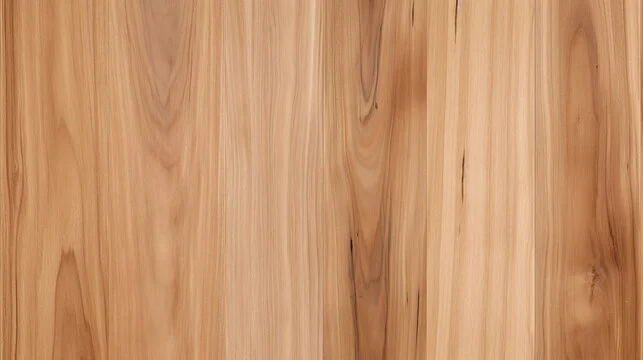
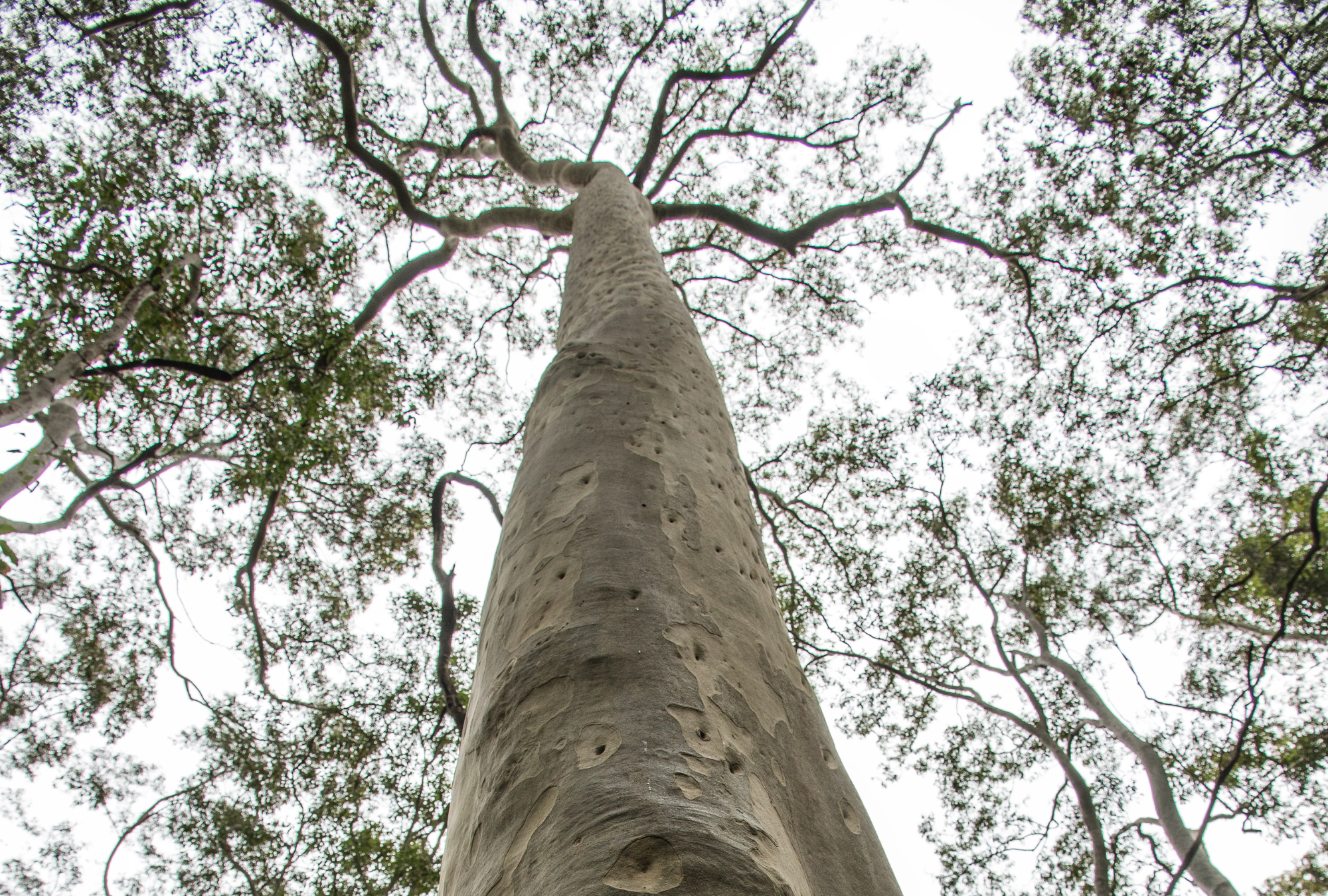
Its ‘actual’ name is Corymbia Maculata and is a native Australian hardwood. Spotted Gum, as well call it in the trade, is prized for its durability, unique appearance with spotted markings, and varied colours. Its a versatile wood making it suitable for indoor and outdoor applications like flooring, decking, and furniture. Spotted Gum is a durable wood, known for its resistance to decay and pests. Inside, you can expect your Wollongong stairs to last indefinitely! Spotted Gum is also sourced in a way that leads to carbon sequestration and improved biodiversity. Altogether, its qualities and sustainability makes Spotted Gum a good contender for many builders and homeowners.
The east coast of Australia is blessed by the presence of this magnificent tree, which spans from eastern Victoria to southern Queensland. Spotted Gum is a staple urban tree with a broad canopy. Some urban Spotted Gum trees are said to already by 150 years old, making them an integral feature of the urban domain.
Jarrah
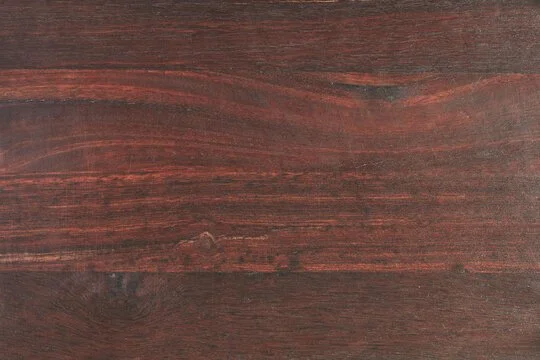
Jarrah (Eucalyptus Marginata) is another hardwood tree species that is native to Western Australia. Jarrah is known for its rich reddish-brown colour and distinctive grain pattern. Like the other hardwoods on this list, it is highly durable and resistant to decay, termites, and pests. Usually, Jarrah is favoured for outdoor applications like decking and fencing but is also a common preference inside the home.
Jarrah is also a dependable Australian timber choice for stairs as it boasts thick and sturdy structures. Its detailed grain patterns lend a touch of sophistication, and its ability to be polished ensures a tailored finish to suit your preferences. With Jarrah, you can expect a staircase built to last, combining both durability and aesthetic appeal.
Did you know about Jarrah honey? It originates from honey bees gathering nectar from the blossoms of the Jarrah tree and is cherished for its medicinal properties such as alleviating burns and diarrhea.
Tasmanian Oak
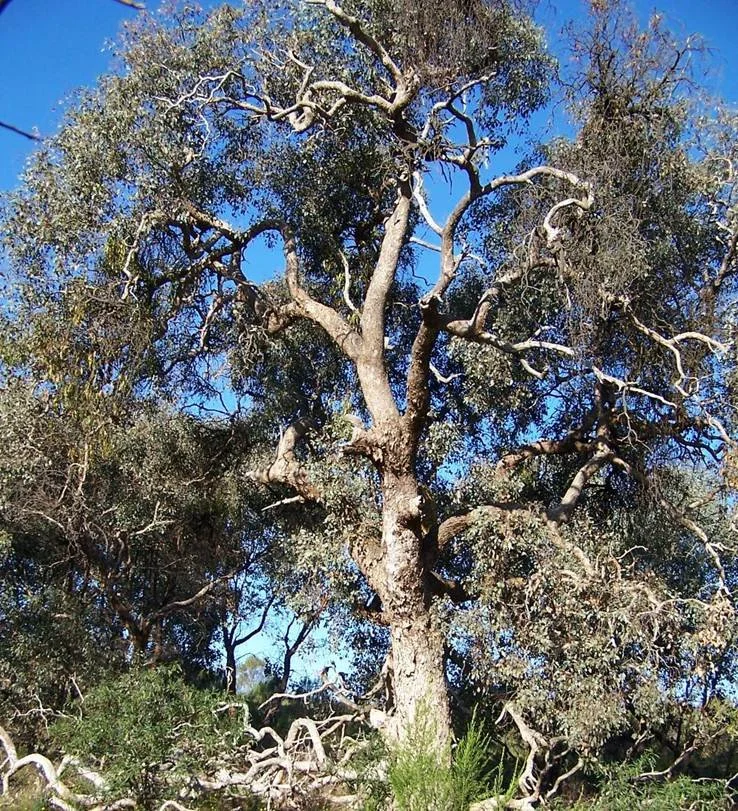
Also known as Victorian Ash for its close similarity, Tasmanian Oak is sourced from three eucalypt species native to Tasmania: Eucalyptus regnans, Eucalyptus obliqua, and Eucalyptus delegatensis.
Of all the timber mentioned so far, Tasmanian Oak is the most likely to win you over with its brilliant warm colours. This is one of the most premium, expensive options for your timber needs in Australia as it is ideally suited for a well range of applications. Its premium finish and excellent durability make it ideal, in particular, for flooring and stairs.
Merbau
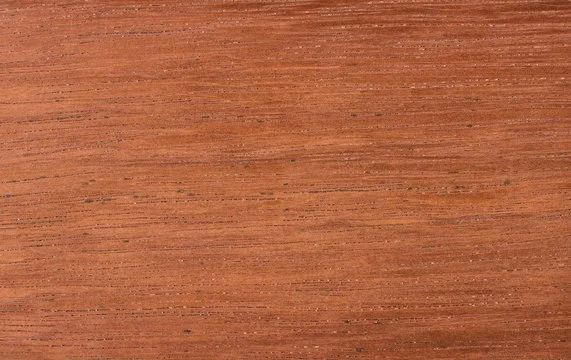
Merbau, a sought-after hardwood found predominately in South East Asia but also in northern Queensland, offers exceptional natural durability and strength, making it a fantastic choice for your stairs. It is also commonly used for outdoor furniture and various interior joinery and flooring projects. This hardwood grows in the tropics and is very important within its respective habitat. Unfortunately, you do tend to hear about illegal logging and habitat loss, especially in Indonesia.
It’s crucial to ensure legality and sustainability. Fortunately, there are certified options available in Australia. Renowned for its distinctive beauty akin to jarrah, Merbau boasts a captivating orange golden-brown hue and contrasting sapwood, which can be enhanced with oils according to user preference, all while exhibiting resilience against termites and weathering.
It’s good for outdoor features like decking and verandas, but is, in my opinion, best suited indoors away from the rain. It is very strong making it a great choice for your staircase.
The Softwood Options for Your Stairs
Softwood derives from non-deciduous/coniferous trees. Unlike hardwoods, softwood trees are evergreen: conifers and gymnosperms. If you don’t know what a coniferous tree looks like, think of your Christmas tree!
Softwood grows much quicker than hardwood and is often grown within mono-cultures. This makes them weaker than hardwood timber but also more readily available (and cheaper). Softwood is a versatile timber choice with a great finish, but lacks many of the characteristics seen in the more premium hardwoods. Have this in mind when deciding what kind of wood you want for your new stairs.
Pine
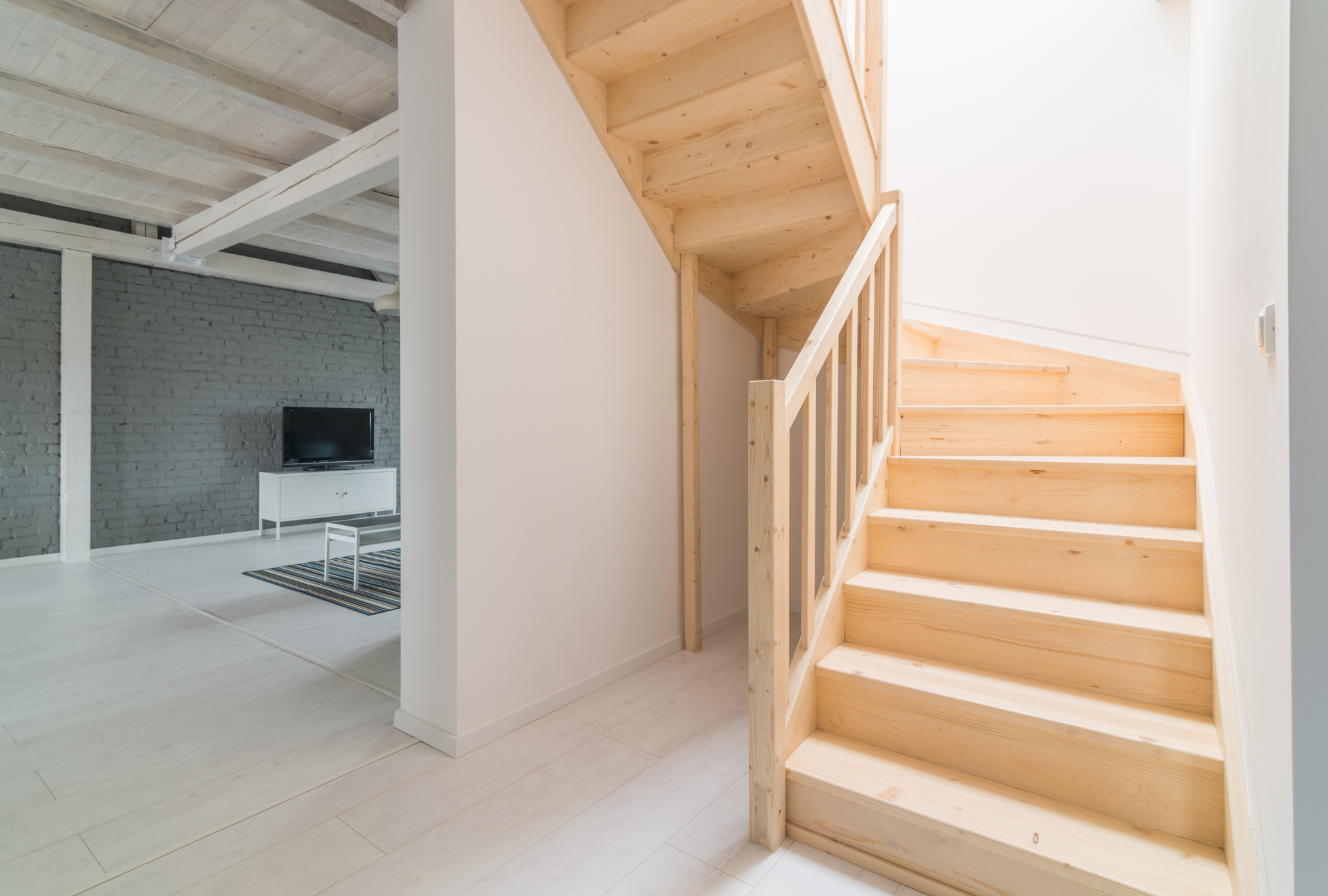
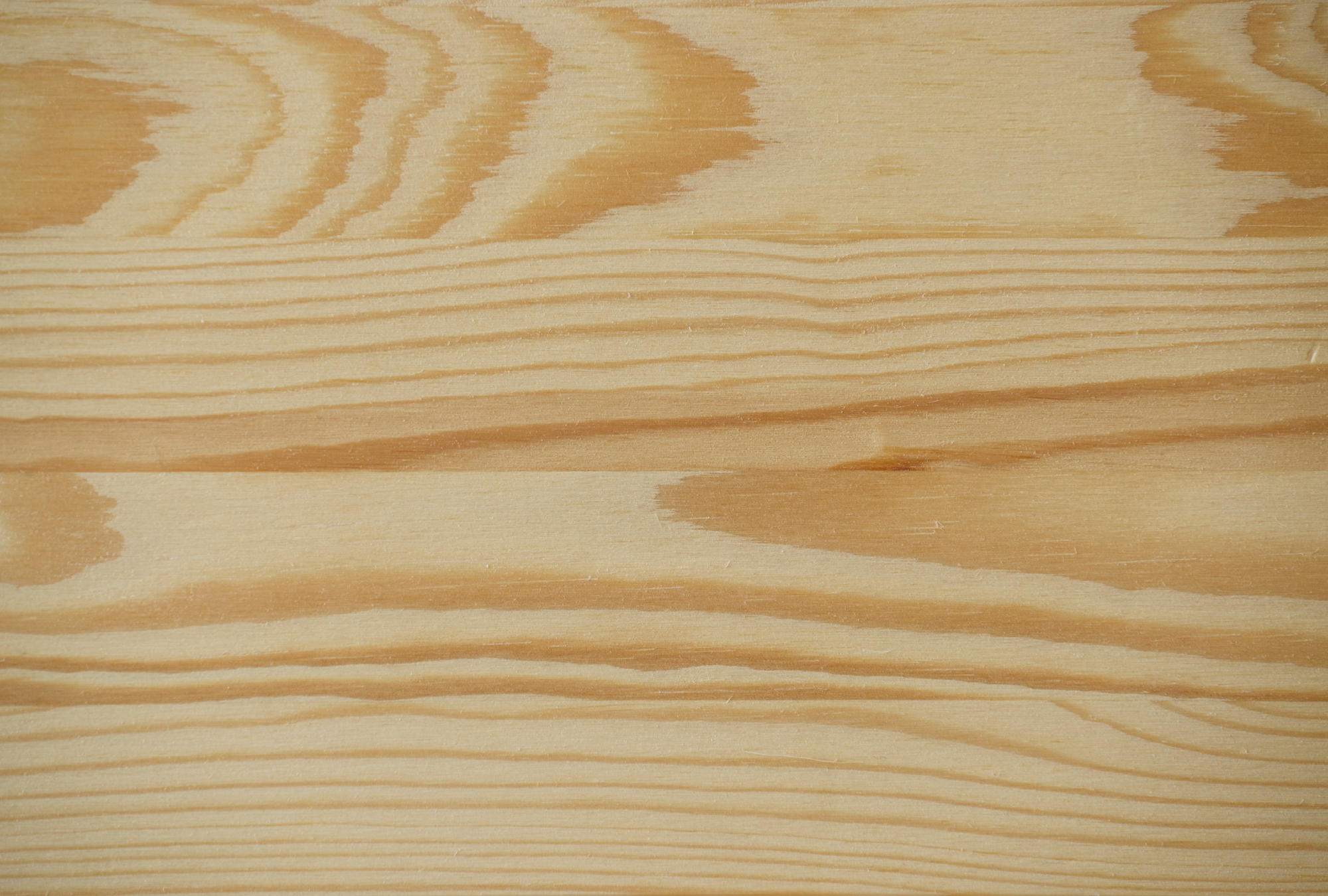
In many ways, pine is not a bad choice for your stairs, even the treads. Despite being a soft wood, you’ll not need to worry about its durability. It does not shrink nor swell and takes paint well. It is also, so far on this list, the cheapest timber option.
Unfortunately, pine is susceptible to surface damage and of course, will not hold up quite like any hardwood such as Blackbutt or Spotted Gum.
Conclusion
When it comes to choosing the right timber for your staircase in Wollongong, hardwood, particularly Blackbutt stands out for its durability and timeless appeal. Australian timber, including Jarrah and Tasmanian Oak, offer both strength and stunning aesthetics with which to explore.
The trees providing hardwood timber command their respect. Their intricacies certainly don’t come overnight! Opting for hardwood ensures lasting durability and adds elements of class to your staircase design.
With that being said, softwood is also a viable option and may be optimal depending on your budget.
If you are in Wollongong or one of its surrounding areas and in need of any assistance, you’re more than welcome to get in touch.